
The AI Shopping Wars: Who's Really Winning When ChatGPT Recommends Your Next Purchase?
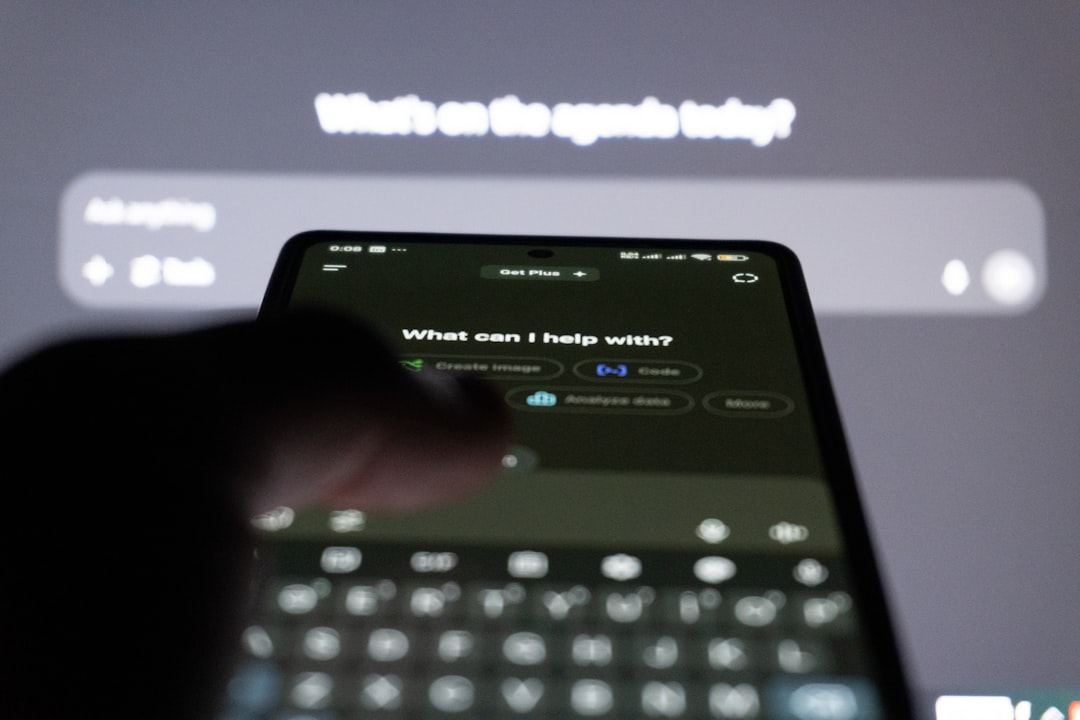
Picture this: You open ChatGPT and type, "What's the best laptop under $1,000 for video editing?"
In seconds, you get a confident, detailed response. It lists three models, explains why they're great, and conveniently provides a link to buy them. It feels magical. It feels helpful. It feels objective.
But is it?
Here's the tea: Behind that friendly, helpful AI assistant is a massive, high-stakes battle for your wallet. Tech giants are racing to become your personal shopper—but they aren't working for you. They're working for whoever pays the bills.
With 800 million people now using ChatGPT weekly and major updates like the "Agentic Commerce Protocol" turning chatbots into checkout counters, the way we shop has fundamentally changed. But as AI becomes the ultimate influencer, we have to ask: Who is really profiting when an algorithm tells you what to buy?
The New Battlefield: AI Shopping Goes Mainstream

Remember when you had to actually search for things? Scroll through pages of blue links on Google? That's so 2024.
Today, the landscape has shifted. OpenAI, Google, and Amazon are locked in a fierce war to control where your shopping journey starts—and ends.
- OpenAI is partnering with payment giants like Stripe to let you buy products directly inside a chat.
- Google is fighting back with "Agent Payments," trying to keep its grip on search traffic.
- Amazon is blocking AI crawlers to keep you on their app (and launching their own assistant, Rufus).
Why the frenzy? Because whoever controls the AI assistant controls the discovery. If ChatGPT becomes your go-to for "best running shoes," Google loses ad revenue, and Amazon loses its stranglehold on product search. It's a multi-billion dollar game of King of the Hill.
The Hidden Incentives: Follow the Money
The biggest problem with AI shopping isn't that it's convenient—it's that it feels neutral when it's not. When a chatbot recommends a product, it doesn't have a "Sponsored" label flashing in neon lights (yet). But the economic drivers are there.
The Old Problem: Influencers & Reviews
We learned to be skeptical of influencers and review sites. We know that "Top 10 Toasters" list is probably ranked by who pays the highest affiliate commission. We look for the #ad hashtag or the "affiliate link" disclaimer. We understand the game.
The New Problem: The Black Box
AI chatbots are the ultimate black box. When an AI suggests a product, you don't know why. Is it truly the best? Or does the AI platform have a data-sharing deal with that retailer? Is there a hidden revenue share? The "human touch" that often signals bias is gone, replaced by authoritative, algorithmic confidence.
Why You Should Be Skeptical
Just like search engines, AI platforms need to make money. And currently, the easiest way to do that in commerce is through:
- Affiliate Commissions: Taking a cut of the sale.
- Merchant Fees: Charging brands to be "featured" or "recommended."
- Partnerships: Prioritizing products from companies they have deals with.
If an AI is incentivized to make you buy, can you trust it to tell you when you shouldn't?
The Trust Crisis: Are We Being Played?
Consumers are starting to catch on. Recent surveys show a growing "trust gap." While we love the convenience of AI, we're getting suspicious of the results.
What Transparent AI Actually Looks Like

So, is all AI shopping bad? No! But we need a shift from transaction-focused AI to consumer-first AI.
At BuyBye, we believe AI should be on your team. That means aligned incentives.
- We don't take commissions from retailers. This frees us to be brutally honest.
- We question the purchase. Standard AI asks, "Which one do you want to buy?" BuyBye asks, "Does this purchase fit your financial goals?"
- We show our work. You see exactly how a purchase impacts your budget, your savings goals, and your long-term health.
Imagine an AI that says, "Hey, this $1,000 laptop is great, but based on your current savings for that trip to Japan, buying it now would delay your vacation by two months. Here's a $600 alternative that does 90% of what you need."
That's not just a shopping assistant. That's a financial wingman.
How to Navigate the AI Mall in 2025
Until transparency becomes the law (and regulators are trying!), you need to protect yourself.
Conclusion: Taking Back Control

The AI shopping wars are just getting started. As technology gets smarter, the line between "helpful assistant" and "persuasive salesperson" will get blurrier.
The winners in this war shouldn't be the tech giants with the best algorithms. It should be you.
You have the power to choose tools that respect your data and prioritize your financial well-being. Don't settle for an AI that just wants to close the sale. Demand an AI that helps you build the life you actually want.
Ready to shop with an AI that's actually on your side? Give BuyBye's transparency tools a spin and see the difference for yourself.