
The Dopamine Shopping Trap: Why Your Brain Can't Resist 'Add to Cart'

You're scrolling through Instagram at 11 PM. An ad appears for those sneakers you've been eyeing. 30% off. "Only 2 left in stock." Your thumb hovers over "Add to Cart." What happens next isn't about willpower. It's about brain chemistry.
40% of all online spending is impulse purchases—that's an average of $150 per month on things you never planned to buy. More than half of U.S. shoppers have spent $100 or more on a single impulse buy. But here's what most people don't realize: Your brain is literally designed to say "yes" to that purchase. Dopamine—the neurotransmitter that controls your brain's reward system—floods your system the moment you see that product.
The Neuroscience of "Buy Now"
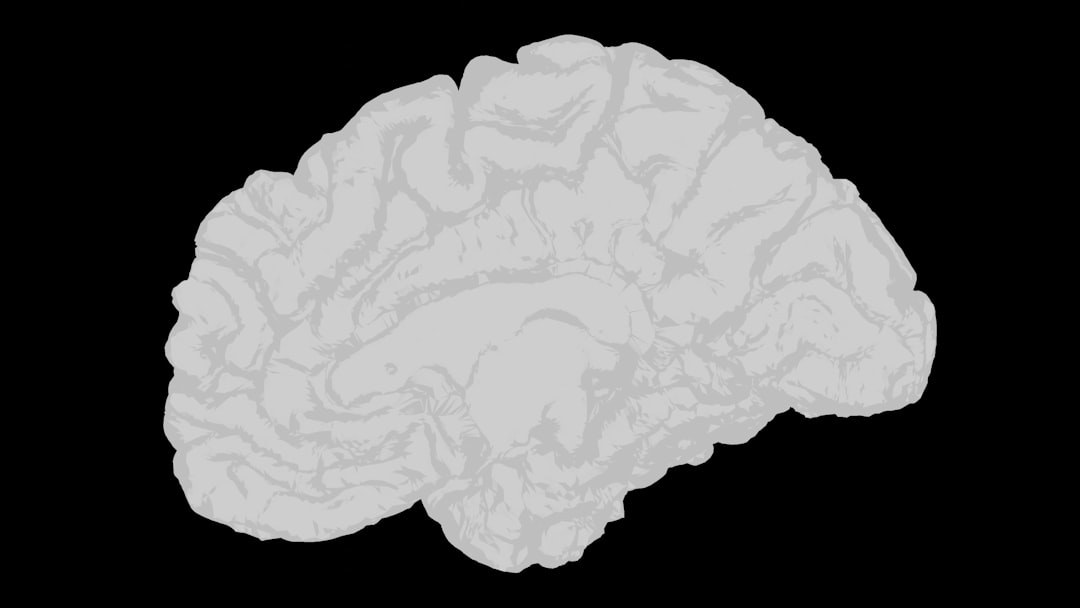
There's a common myth that dopamine is released when you get something you want. The reality is trickier: Dopamine is released in anticipation of a reward, not when you receive it. MRI studies show that dopamine surges are linked to expecting an experience. This is why browsing feels so good, even when you don't buy anything—your brain is literally craving the click.
Online shopping creates higher dopamine levels than in-store purchases because the waiting period between purchase and delivery builds even more anticipation. It creates a "reward-seeking loop" that mirrors gambling: browsing, purchasing, tracking, and finally, the unboxing.
Key Neuroscience Facts
The Perfect Storm: How Online Shopping Hacks Your Brain
Stanford researcher BJ Fogg identified that three elements must converge for a behavior (like buying) to occur: Motivation, Ability, and a Prompt. When all three align, you buy. Retailers have mastered this formula to weaponize your brain chemistry against your wallet.
Motivation & Ability (The Setup)
Retailers amplify your desire through personalized ads and social proof ("1,247 people bought this"). Then, they remove all friction. One-click purchasing, Apple Pay, and saved card details mean you can buy in seconds. The perceived ease reduces the cognitive defenses that typically regulate your spending.
The Prompt (The Trigger)
Scarcity cues ("Only 2 left!"), time pressure ("Sale ends in 3 hours"), and cart abandonment emails ("You left something behind") serve as the final nudge. In the 2025 dopamine economy, AI algorithms predict exactly what specific trigger will launch your dopamine response.
Why Traditional Advice Fails
We've all heard the "wait 48 hours" rule. But in a world of one-click purchasing and "limited time" offers, that advice is fighting a losing battle. The 48-hour rule assumes friction exists—but technology has removed it. Plus, cart abandonment emails are designed specifically to re-trigger your desire if you try to wait.
Most financial advice focuses on willpower, but you can't willpower your way out of brain chemistry. When dopamine floods your system, rational decision-making is already compromised. The solution isn't more discipline; it's better systems.
Productive Friction: The Antidote

If frictionless shopping is the poison, productive friction is the antidote. Research shows that introducing small pauses or "friction" points helps users make more deliberative choices. This doesn't mean making shopping difficult; it means making it conscious.
BuyBye creates this productive friction by analyzing your purchase before you click "Buy Now." It evaluates the purchase against your financial reality, creating a 2-3 minute pause that interrupts the dopamine loop. By the time you review the insights, your dopamine levels have normalized, allowing your rational brain to take the wheel.
Practical Strategies to Break Free
You don't have to be a victim of the dopamine economy. Here are actionable strategies to rewire your relationship with shopping.
1. Audit Your Triggers
Track when impulse purchases happen. Is it when you're stressed? Late at night? Bored? Knowing your specific triggers (like that one influencer or email newsletter) is the first step to disarming them.
2. Delete Saved Payment Info
Force yourself to manually enter your card details for every purchase. That extra 30 seconds of typing creates a natural "decision space" where you can reconsider.
3. The "Cart Pause" Method
Add items to your cart to get the initial dopamine hit of "shopping," but don't check out. Use a tool like BuyBye to analyze the purchase, then close the tab. Revisit it 24 hours later. Often, the desire fades once the initial surge passes.
Summary of Action Steps
The Long Game: Rewiring Your Brain
If you struggle with impulse purchases, it's not a moral failing. Your brain is responding exactly as evolution designed it to—pursuing rewards. The problem is that modern e-commerce has hijacked this ancient system.
Every time you successfully interrupt an impulse purchase, you're weakening the dopamine-reward pathway and strengthening your deliberation muscles. Over time, deliberate decision-making becomes your default. You can replace the cheap dopamine of a quick buy with the deeper satisfaction of financial security and intentional living.
Conclusion

The "Add to Cart" button isn't just a button; it's the culmination of decades of behavioral research designed to make you spend. But you have the power to take back control.
You can't fight brain chemistry with willpower alone. You need systems, friction, and tools that work for you, not against you. Start by trying BuyBye's analysis on your next potential purchase. Create that moment of clarity between impulse and action. Your future self (and your bank account) will thank you.